
Dental Implant Surgery: How Are Dental Implants Placed?
Missing teeth are important for appearance, chewing, speech and oral health. A long-standing gap may allow neighbouring teeth to move and bone volume in the area to decrease over time. Dental implants are therefore an important option when assessing treatments to replace missing teeth.
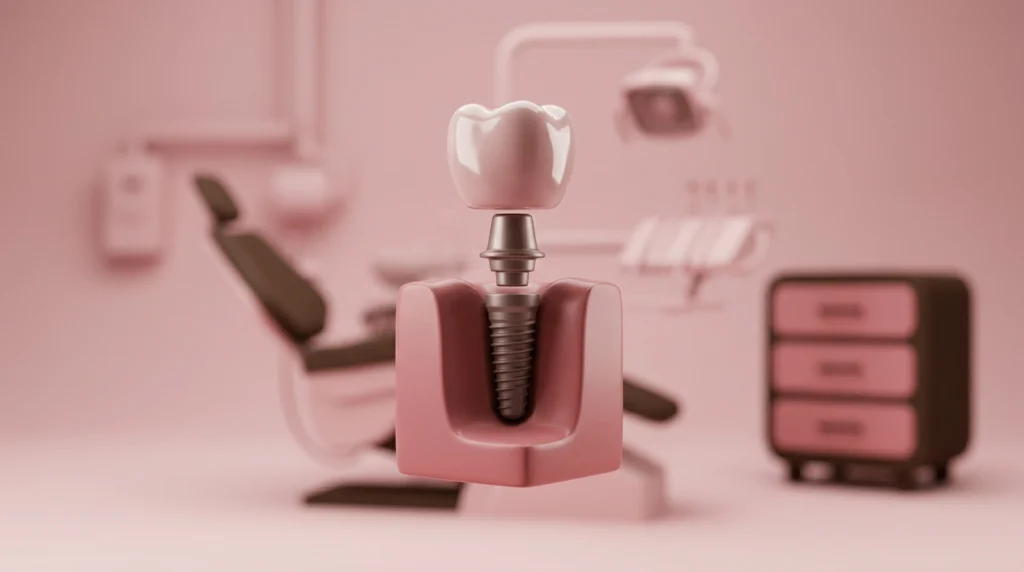
The surgical stage is commonly called implant surgery, implant fitting or implant placement. An implant is placed in the jawbone to perform the role of a natural tooth root. After integration with bone, a prosthesis suited to the patient’s needs can be prepared.
Surgery involves more than placing an implant in bone. For successful, lasting treatment, preoperative examination, bone assessment, appropriate positioning, monitoring of healing and continued oral care are necessary.
What Is Dental Implant Surgery?
Dental implant surgery places implants into the jawbone to replace missing teeth. An implant mimics a natural tooth root and supports a prosthesis.
Implants are usually made from titanium or other biocompatible materials with suitable properties. Integration with surrounding bone is an important stage. This biological process is called osseointegration.
The surgical approach differs between patients. A single missing tooth and several missing teeth may require different plans. Front and back implants also have different cosmetic and functional requirements.
The answer to “How is implant surgery performed?” is therefore determined individually after assessing the mouth and jaws.
How Is a Dental Implant Placed?
The first stage is detailed assessment, rather than surgery itself.
An oral examination assesses the gap, surrounding teeth, gums and jawbone. Panoramic X-rays or three-dimensional imaging may be used where necessary to examine the area’s anatomy.
Surrounding anatomical structures matter as well as bone quantity. The nerve canal in the lower jaw and the sinuses in the upper jaw are particularly important in planning.
After planning, local anaesthetic numbs the area, so pain is not expected during surgery. The site is prepared and the implant placed in an appropriate position in the jawbone.
Positioning considers not only available bone but the future prosthesis, chewing forces, cosmetic expectations and surrounding anatomy.
The surgical site may then be closed appropriately, or a healing abutment used according to the plan.
What Happens After Placement?
Placing the implant does not complete treatment. Biological healing between implant and bone begins after surgery.
Bone integrates with the surface, creating stability for functional use. The timing of the prosthesis depends on implant stability, bone structure, surgical extent and individual healing.
The interval between placement and the permanent replacement tooth is therefore not the same for everyone.
What Is Assessed Before Surgery?
Preoperative planning is a major part of treatment. Many factors that may influence long-term outcomes are assessed beforehand, including:
- The location of missing teeth
- Jawbone height and width
- Bone density
- Gum condition
- Neighbouring tooth health
- Oral hygiene
- Upper-jaw sinus position
- Lower-jaw nerve canal position
- Chewing relationships
- The planned prosthesis
- Current general health
- Previous dental treatment
Determining whether sufficient bone is available is particularly important.
The need for other oral health procedures should also be assessed. Dental treatments provided at Örge Dental Clinic may be considered as part of the overall assessment.
What If There Is Not Enough Bone?
Ideal bone quantity is not always available. Bone volume may decline over time, particularly where a tooth was lost long ago.
Where height or width is insufficient, the bone should be assessed before proceeding directly to placement.
Depending on the patient, a bone graft, other bone augmentation procedures or a sinus lift in the back of the upper jaw may be included in the plan where necessary.
The same method is not used for everyone with insufficient bone. Selection depends on available bone, the implant site, anatomy and the planned prosthesis.
Is Implant Surgery Painful?
Because surgery is performed under local anaesthetic, pain is not expected during the procedure. Patients may notice tenderness, mild pain or swelling afterwards.
Postoperative discomfort varies. A single-implant procedure and more extensive surgery involving a bone graft should not be considered identical.
Taking prescribed medicines appropriately, protecting the site in the first days and following the dentist’s cleaning instructions help support a more controlled recovery.
Is Swelling After Surgery Normal?
Some swelling or oedema may occur at the surgical site. Its extent depends on the procedure and the tissues’ response.
Mild or moderate swelling in the first days is not necessarily unusual. However, increasing pain, significant swelling, high fever, persistent bleeding or other unexpected symptoms should prompt contact with the treating dentist.
Healing is not the same for every patient.
What Should You Do After Implant Surgery?
Protecting the surgical area in the first days is important.
Following your dentist’s instructions:
- Take prescribed medicines appropriately.
- Avoid direct pressure on the site.
- Avoid very hot foods and drinks initially.
- Limit strenuous physical activity.
- Stop smoking where possible, or avoid it for the period specified by your dentist.
- Do not abandon oral care, but clean the surgical area as instructed.
- Attend follow-up appointments.
Avoid unnecessary loading, particularly while integration with bone is expected to occur.
How Long Does Healing Take?
Healing does not finish within one fixed period.
Soft-tissue healing begins in the first days, while biological integration with bone takes longer. Returning to everyday life within a few days does not mean the implant has completely healed.
Permanent prosthesis timing depends on stability, bone structure, the technique used and individual healing.
Earlier temporary or permanent restoration may be planned in selected cases, but this is not appropriate for everyone.
Can Implants Be Placed on the Same Day?
Same-day implant placement may be possible in selected cases, particularly where extraction and placement are planned in one visit.
However, it is not suitable for every patient.
The decision should follow assessment of infection, bone structure, potential initial stability, the reason for extraction and the area’s anatomy.
The answer to “Can an implant be placed on the day a tooth is extracted?” therefore depends on an individual examination.
Who Can Have Dental Implants?
Implants may be used for people missing one or more teeth who have suitable oral and jaw conditions.
One implant and crown may replace a single tooth. Implant-supported bridges may be considered for several gaps. Implant-supported dentures may be an option when all teeth are missing.
Suitability is not based on age alone.
Jawbone condition, gum health, oral hygiene, general health and adherence to treatment are assessed together.
Is There an Age Limit?
Age alone is not decisive.
For growing patients, completion of jaw development may need to be awaited. In adults, suitability is determined by general health, jawbone and oral conditions.
Older age alone does not rule out implants. Likewise, being young does not automatically make someone suitable.
What Are the Advantages of Implants?
An important advantage is the potential for a replacement restoration close to a natural tooth in function and appearance.
For a single missing tooth, an implant-supported replacement may avoid reducing neighbouring teeth in some cases.
Implant-supported treatment may help:
- Restore chewing function
- Replace a missing tooth aesthetically
- Improve removable denture stability
- Address certain functional problems associated with tooth loss
However, an implant is not identical to a natural tooth and requires regular maintenance for long-term health.
How Long Do Implants Last?
A fixed lifespan cannot be given for every patient.
Factors affecting long-term condition include:
- Oral hygiene
- Gum health
- Smoking
- Regular check-ups
- Chewing forces on the implant
- Prosthesis condition
- General health
The idea that no care is needed after placement is incorrect. Regular cleaning and reviews are necessary to protect surrounding tissues.
Why Does Inflammation Develop Around an Implant?
Inadequate cleaning can allow plaque and bacteria to accumulate, causing inflammatory problems in the surrounding soft tissues.
In more advanced cases, supporting bone may also be affected.
Assessment is important if you notice:
- Redness
- Bleeding
- Swelling
- Tenderness
- Bad odour
- Changes in the gums
Regular oral care and professional reviews are important parts of maintaining tissue health around implants.
What Are the Risks of Implant Surgery?
Like any operation, implant surgery carries potential risks. Their likelihood varies with surgical extent, implant location and existing health conditions.
Possible complications include:
- Pain and tenderness
- Swelling
- Bleeding
- Infection
- Nerve-related problems
- Complications associated with nearby anatomical structures
- Failure to integrate adequately with bone
The lower-jaw nerve canal and upper-jaw sinuses require particularly careful assessment.
Accurate diagnosis and detailed imaging therefore play important roles.
What Should You Consider When Choosing a Dentist?
Consider all stages of treatment, rather than focusing only on implant brand or price.
A detailed examination, appropriate imaging assessment, bone evaluation and advance planning of the prosthesis are important.
Patients should also understand follow-up arrangements and how to maintain oral care after surgery.
Overall oral health should be considered. Other dental treatments and oral care procedures may be planned before or after implant treatment where necessary.
How Long Does Surgery Take?
Duration depends on implant numbers, the site and whether additional surgery is needed.
A straightforward single implant and extensive surgery involving several implants or bone augmentation do not take the same time.
One duration cannot therefore be given online for everyone. An estimate can be provided after examination according to the planned procedure.
When Can You Return to Everyday Life?
Many patients resume everyday activities shortly after surgery. However, returning to normal life and complete healing are different things.
Rest, protection of the site and following instructions are important in the first days.
The timing of full return to physical activity, normal eating and oral care varies with surgical extent.
Bone grafting or other additional procedures may alter recovery.
Why Is Oral Care Important?
Healthy surrounding tissues are necessary for long-term implant health.
Regular brushing, appropriate cleaning aids around implants and attendance at recommended reviews are important.
The prosthesis does not decay like a natural tooth. However, surrounding gums and bone must be protected from bacterial plaque.
Treatment success is therefore closely linked to continued oral care habits after surgery, as well as the operation itself.
Frequently Asked Questions About Implant Surgery
Will I feel pain during surgery?
Pain is not expected because local anaesthetic is used. Pain, tenderness or swelling may occur afterwards, depending on surgical extent.
Is the replacement tooth fitted immediately?
Not every implant needs or is suitable for a permanent tooth on the same day. Initial stability, bone structure and the plan determine the timing of temporary or permanent restoration.
How many months does integration take?
Integration varies between patients and sites. Before fitting the prosthesis, healing is assessed clinically and, where necessary, radiographically.
Will my face swell afterwards?
Some swelling may occur, depending on surgical extent and healing response. Greater-than-expected or increasing swelling requires assessment.
Are implants suitable for everyone?
No. Suitability depends on jawbone condition, gum health, oral hygiene, general health and adherence to treatment.
Can I have implants with insufficient bone?
Some patients may have bone augmentation beforehand. The method is determined through clinical and radiographic assessment of existing bone.
Can I smoke afterwards?
Smoking may impair healing and the health of tissues around implants. Follow your dentist’s advice about smoking after surgery.
Can an implant fail or come out?
Failure may occur if integration is inadequate or surrounding tissues are damaged later. Regular maintenance and reviews can help identify problems early.
How does an implant differ from a natural tooth?
Implant-supported teeth can be planned to resemble natural teeth in appearance and function. However, an implant is not a natural tooth. The surrounding tissues have different biological characteristics, and regular care and reviews remain necessary.
Are check-ups needed after surgery?
Yes. Reviews monitor healing, assess surrounding tissues and plan subsequent stages.
Why Is an Individual Approach Important?
Treatment involves more than placing an implant in the jawbone. The gap’s position, bone, gums, chewing system, cosmetic expectations and prosthesis design must be assessed together.
Front implants may have particularly demanding cosmetic requirements. Chewing forces and anatomy are assessed differently in back areas.
Even two people missing the same number of teeth may therefore need different treatment.
Appropriate planning aims not only to fill a gap, but to restore chewing, appearance and oral health in as balanced a way as possible.
What You Should Know About Implant Surgery
Implant surgery is an important procedure for replacing missing teeth. Its main aim is to place an implant in place of a missing root, providing firm support for a prosthesis.
Accurate diagnosis, detailed planning, appropriate case selection, monitoring healing and long-term oral care matter as much as the operation.
The surgical approach, number of implants, need for grafting, restoration timing and healing duration can all vary.
General online information cannot replace an individual plan. If considering implants, begin with detailed oral assessment, necessary imaging and identification of suitable options.
At Örge Dental Clinic, existing oral health, missing teeth and treatment options are assessed together. Implant care is considered a process covering planning, surgery, healing, prosthetic restoration and long-term maintenance.